



In today’s digital age, the concept of a user agreement has become an integral part of our interaction with technology. Despite its omnipresence, many users often overlook the nuances and importance of these agreements. They serve as binding contracts that delineate the rights and responsibilities between users and service providers. This article delves into the core aspects of user agreements, highlighting key areas that both parties should consider while entering into such contracts.
A user agreement, often referred to as terms of service or terms and conditions, serves as a legally binding contract between a service provider and the end-user. It establishes the rules under which users can access and use a particular service or product. While many users tend to skip reading these agreements, a failure to comprehend the contents can lead to unforeseen consequences.
Typically, user agreements address various components such as usage rights, restrictions, privacy policies, and dispute resolution mechanisms. For service providers, these agreements protect intellectual property, limit liabilities, and mitigate potential legal disputes. For users, understanding the terms ensures their rights are safeguarded, preventing unauthorized exploitation of their data or unintended breaches of service guidelines.VOSLOT
When reviewing a user agreement, several critical components stand out, offering users clarity and understanding of their rights and obligations under the contract.
616PHNearly every user agreement will define the scope of the license granted to the user. This section clarifies what users can or cannot do with the service or product. It often includes language around a limited, non-exclusive license, meaning users can use the service but do not own any proprietary rights to it.
This segment outlines desired user behavior, dictating acceptable use of the service. Users are typically barred from activities like reverse engineering, copying, or redistributing the product without explicit consent from the provider.
User agreements generally incorporate or link to a comprehensive privacy policy which details how user data is collected, stored, and utilized. It is essential for users to comprehend this section to be aware of what personal information is being shared and how it is safeguarded against unauthorized access.
Termination clauses specify circumstances under which either party can terminate the agreement. For service providers, this might occur due to breach of terms by the user, while users might seek termination if the service no longer meets their needs or changes in terms are unfavorable.
This critical element limits the amount or scope of damages a user can claim from the service provider. Often expressed in legal jargon, this section protects providers from excessive claims but also sets expectations about the extent of provider accountability.
In today's diverse digital landscape, understanding the nuances of terms like "phmystic" becomes vital, although this term might not be commonly found across user agreements. The inclusion of such terms could imply access to specialized features or denote a greater level of security or privacy. It could serve as a product-specific jargon, necessitating a deeper dive for users to fully appreciate its implications. Unfortunately, without explicit definitions within the agreement, users must seek external clarification to mitigate misunderstandings.
For a user agreement to be enforceable, it must meet certain legal standards. Primarily, users must have reasonable notice of the terms and a meaningful opportunity to review them before acceptance. This is often signaled through clickwrap agreements, where users actively indicate their consent by clicking an "I Agree" button.
However, enforceability of terms may vary depending on jurisdiction. Courts often scrutinize these terms, especially if they are deemed unconscionable or drastically one-sided. Hence, transparency and fairness in drafting such agreements are crucial for service providers.
Due to evolving technology and laws, user agreements must also adapt through regular updates. Service providers should clearly communicate any significant changes in terms to ensure users’ continued consent and compliance. A failure to update agreements could expose service providers to legal risks or reduce user trust.
JILIFISHThe essence of a robust user agreement lies in its ability to protect both the interests of the service provider and the rights of the user. While terms like "phmystic" add complexity, they represent the diverse functionalities offered in today’s digital innovations. By fostering user awareness and advocating for transparency, stakeholders can ensure beneficial and sustainable digital interactions.
For more insights, visit our homepage.
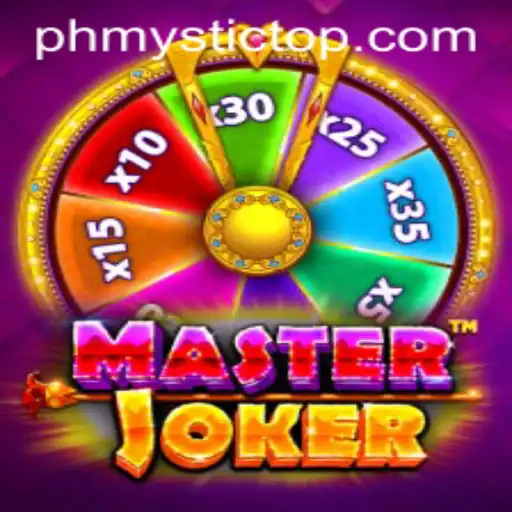
Dive into the captivating world of MasterJoker, a game filled with intriguing challenges and strategy dynamics.

Explore the enchanting world of BuffaloPowerChristmas, a captivating game that combines festive spirit with mystical elements. Delve into its introduction, description, and rules.

Discover the captivating realm of GoodFortune, a game that intertwines mysticism and strategy with riveting current events.

Dive into the mystical world of 'LordGanesha' with this comprehensive guide, examining its captivating gameplay, enchanting narratives, and strategic rules. Discover the allure of this innovative game amid today’s vibrant gaming landscape.
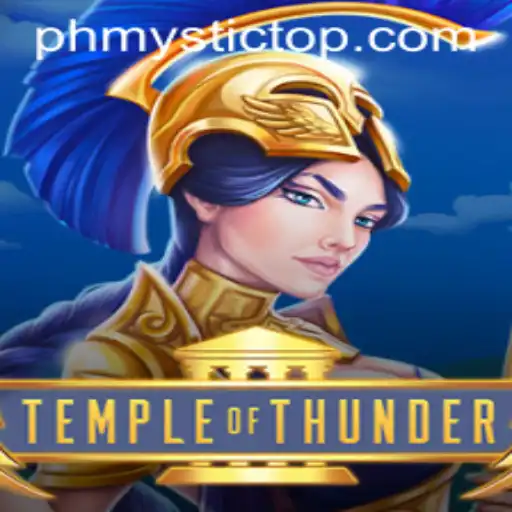
Discover Temple of Thunder, a captivating game that immerses players in a mythical quest filled with challenges and mysteries. Uncover its introduction, gameplay, and rules, fostering a unique interactive experience.

Discover the thrilling game MadHitSavannah, exploring its captivating elements and unique gameplay inspired by the mysteries of 'phmystic'.
